

Blog
Planning a Home Renovations Without the Stress
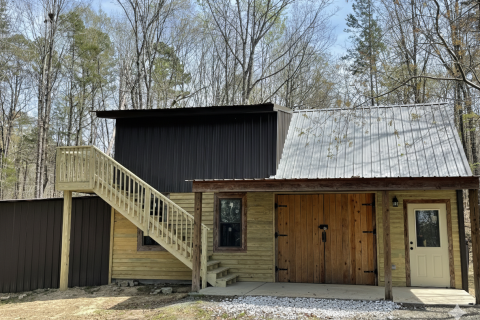
Renovations get under people’s skin because they throw normal life off track. The kitchen is taped off, there’s dust on everything, and workers show up when you least expect them. Nobody enjoys that. Stress only builds when the plan is vague or the budget is wishful thinking.
The first thing to nail down is scope. Say you’re redoing a kitchen. Is it just swapping cabinets and counters, or tearing into plumbing and wiring too? That single choice changes cost, schedule, and what your house looks like for weeks. Without a clear scope, you’ll be hit with change orders and delays before you know it.
The budget deserves the same level of attention. Picture a Charleston family setting aside $50,000 for the kitchen. Looks fine on paper, until permitting fees, a temporary stove, or an electrician’s surprise bill push it closer to $60,000. Setting a 10–15% cushion at the start turns those surprises into manageable bumps instead of panic.
Then there’s communication. Weekly check-ins or set progress calls mean fewer “what now?” moments. If the tile is backordered, you want to know right away so you can pick another option, not find out when the crew arrives empty-handed. Staying looped in keeps the project from feeling like it’s running you instead of the other way around.
Why Investors Prioritize Professional Remodeling Services
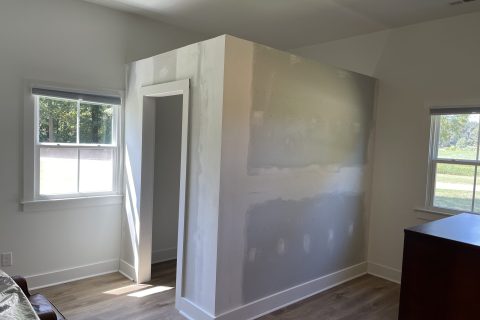
For investors, time is money. A rental sitting empty during a six-month DIY remodel isn’t just an eyesore—it’s lost rent, maybe tens of thousands. Professionals keep projects moving by lining up trades so electricians, drywallers, and painters don’t trip over each other.
Permits are another reason investors don’t cut corners. Skipping them might save a few weeks, but it backfires when refinancing or selling. A licensed crew pulls the permits, gets inspections done, and keeps paperwork in order. That makes the property easier to market later. Avoiding that step creates legal headaches that stick.
Durability matters too. Cheap carpet in a rental looks okay on day one, but by year three, it’s worn down and stained. Replacing it again and again eats into returns. Vinyl plank or tile costs more upfront but survives tenant turnover far longer. Kitchens hold the same rule: plywood cabinets and stone counters outlast particleboard and laminate every time.
And don’t ignore buyer psychology. In markets like Charleston, updated kitchens and efficient bathrooms mean faster rentals and higher sale prices. Cut too many corners, and vacancies drag on. Lost income adds up far quicker than the price difference between decent and flimsy materials.
Materials That Add Value and Last Longer
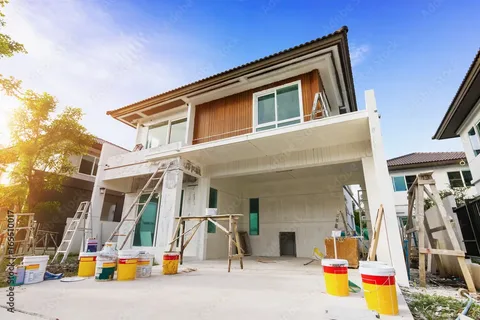
Picking materials is where a lot of homeowners either save smart or regret later. The wrong choice can look fine in year one, then turn into a maintenance cycle by year five.
Take flooring. Cheap carpet goes in fast and keeps costs low, but it stains and flattens before long. Families with kids and pets end up swapping it sooner than expected. Engineered hardwood or good vinyl plank, on the other hand, lasts decades with less fuss. It handles spills, scratches, and daily wear without constant upkeep.
Kitchens show the same trade-off. Laminate counters might stretch a budget, but burns, scratches, and water damage catch up quick. Quartz or granite costs more, but they hold up, and buyers know it. That’s why so many listings point them out. Its resale value is baked into the choice.
Outside the house, the pattern continues. Standard asphalt shingles may only last fifteen years in Charleston’s damp, coastal weather. Metal roofing lasts twice as long, reflects heat better, and saves on energy bills. Pair that with insulated siding and tight windows, and you’ve added real value while lowering monthly costs.
Lesson learned: better materials don’t just look good, they keep a home running smoothly and hold value when it’s time to sell.
How to Choose the Right Contractor for Lasting Results
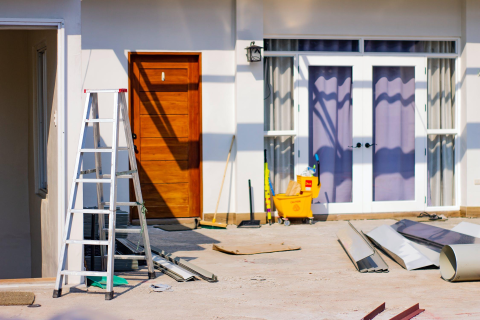
The wrong contractor can make a dream remodel feel like a nightmare. Missed deadlines, poor work, and mystery charges usually trace back to choosing too fast. Slowing down the vetting process pays off.
Start with the basics: license and insurance. In South Carolina, a licensed contractor has met state standards. Without insurance, though, a single injury or accident could leave you footing the bill. That’s not a risk worth taking.
Experience counts too. Someone who mostly builds decks might not be the right fit for a full kitchen job with plumbing and electrical. Ask for references from people who have had similar projects done, not just any happy customer.
Detailed bids are another green flag. When a contractor breaks down labor, materials, and timing, there’s less room for surprise costs later. Vague numbers are a warning sign. While you’re at it, ask how they handle subs, delays, and changes. Straight answers now save headaches later.
And don’t skip the communication test. A contractor who responds quickly, explains things clearly, and sets regular updates is usually the one who delivers smoother results. Skill matters, but so does how they manage the relationship day to day.
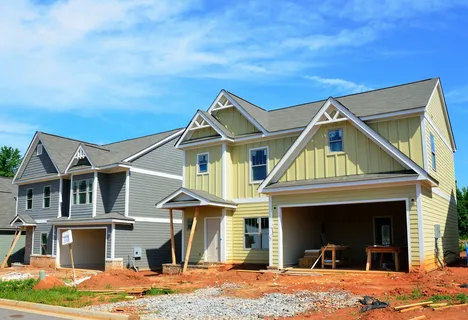
Custom Additions That Blend Seamlessly With Your Home
A home addition should feel like it’s always been there. Too often, they look tacked on—wrong roofline, siding that doesn’t match, or awkward layouts that feel out of place. Good planning keeps that from happening.
Design comes first. The addition has to follow the home’s style, not fight against it. A Charleston bungalow with wood siding, for instance, should extend that same look in proportion and detail. Even trim width and window spacing change how natural it feels.
The structure needs to tie in correctly, too. Foundations, framing, and roofs should connect without weak spots that cause leaks or stress cracks. Contractors who understand both design and build work know how to make new and old parts live together.
Inside, flow matters just as much. A new master suite should link to halls and stairs in a way that feels natural, not forced. Floor levels and ceiling heights need to line up. Otherwise, you end up with odd steps or uneven ceilings that break the design.
It also helps to think ahead. A well-planned space can shift from a guest room to an office or playroom without major rework. Flexibility now keeps the addition useful for years.
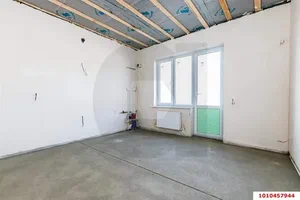
The Hidden Costs of Skipping Professional Craftsmanship
Cutting costs by doing work yourself or hiring the cheapest labor often backfires. What looks like savings at the start can pile on expenses later.
Roofing is a common example. Bad installation might keep rain out for a while, but leaks eventually mean water damage, mold, or ruined insulation. Fixing all that usually costs more than paying pros up front.
The same goes for electrical and plumbing. Wiring without permits or shortcuts on pipes can pass unnoticed at first but fail inspections, start fires, or cause hidden leaks. By the time you spot the damage, you’re looking at drywall and flooring replacements, too.
Even the finishes give it away. Crooked tiles, doors that don’t close right, or cabinets out of alignment make a house feel cheap. Buyers notice, appraisers notice, and resale suffers.
In Charleston’s market, homes with visible flaws linger unsold. Spending more on professional work ensures durability, compliance, and appeal. What feels like cutting corners today usually costs double tomorrow.
